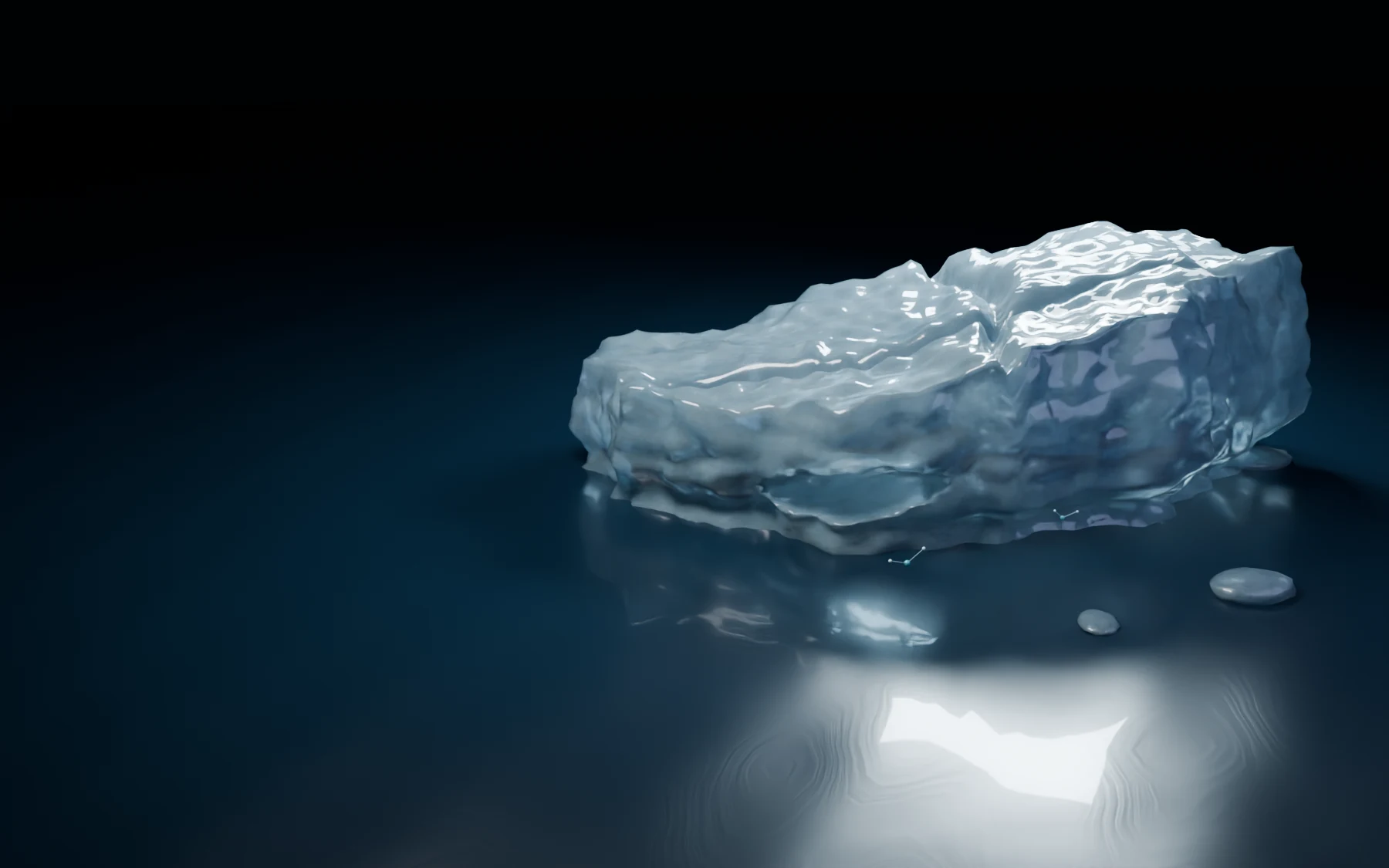
Conceptual environment-to-molecular-scale illustration. Water molecules are stylised; scales are not comparable.
Ingredients & formulation research

Follow themolecule.

VARUNÉ Bio is an R&D company focused on ingredients and formulations for cosmetic and medicinal applications. Skincare is our first commercial focus. Our proposed programmes connect molecular science with a defined formulation problem.

Discuss a research programme
Enter the research Environment Material Molecule
00 | Formulation scienceProgramme definition

What happens at the interface?

Molecular identity, water and interfaces influence how a formulation behaves. We ask how those changes affect useful function, from the bulk mixture to the film formed during use.

Our scientific approach
MoleculeInterfaceMaterialFunction

Conceptual molecular–interface illustration.

01 | Skin pigmentationProgramme definition
Molecular activity. Formulation behaviour.

Where colour begins.

We are defining ingredient research around pigment production and transfer, local availability and formulation behaviour. Tinted under-eye skincare is the first proposed application, with temporary optical correction evaluated separately from any biological contribution.

Explore skin pigmentation
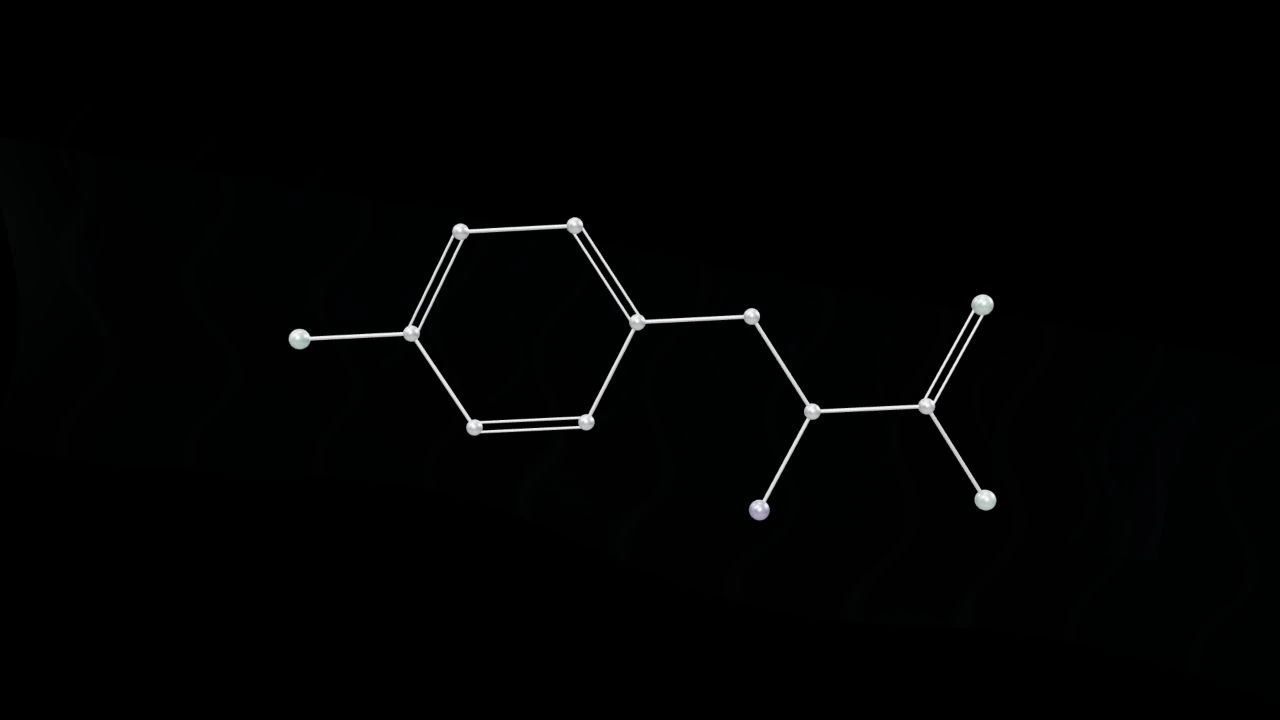
L-tyrosine planar connectivity (PubChem 6057); hydrogens omitted. Conceptual molecular visualisation; no selected active or experimental result.
First applicationUnder-eye tone

Immediate optical correction and repeated-use bare-skin changes are separate questions.

Conceptual polar environment. It does not identify a material source or a VARUNÉ field site.
02 | Polar-associated polymersPriority programme
The biology of extreme environments

Life at the freezing point.

A high-priority programme asks whether a characterised polar-associated polymer can alter water release from an ambient film. The useful comparison is with established formulation materials, with molecular identity kept accountable.

Explore polar materials
Our formulation questionCan molecular structure change how a film releases water?Explore the evidence
03 | Biochemical lightProgramme definition
Light produced by a reaction

When chemistry becomes light.

A cell-free material must retain active enzyme while allowing reactants to reach it and photons to leave. Our proposed first milestone is an inert-surface demonstrator that can distinguish chemical output from transport and optical effects.

Explore biochemical light

From reaction to emitted light.

  1. 01 · Reactants
    Luciferin + O2
  2. 02 · Luciferase-catalysed oxidation
    Product*
  3. 03 · Radiative relaxation
    Product + hν

Published reference NanoLuc-catalysed furimazine oxidation produces furimamide and light.* marks an excited state; intermediates and CO2 omitted. Reference chemistry, not a selected VARUNÉ candidate.

From reaction to materialConceptual section
Reactant access, enzyme retention and photon escape through a hydrated materialDashed mint arrows show substrate and oxygen entering a material. A central enzyme symbol marks the catalyst. Blue waves show possible photon escape. Numbered markers correspond to the three explanations. This is a schematic, not a molecular structure, measured transport field or experimental result.SO₂1E2hν3
S SubstrateO2 OxygenE Enzymehν Photon

Hydrated material on an inert surface. Symbols, dimensions and transport paths are illustrative.

Explore what controls the output

  1. Substrate presentation, oxygen supply and diffusion through the material influence access to the active site.

  2. Confinement can protect a protein while restricting reactant access. Retention and catalytic activity require separate evidence.

  3. Absorption, scattering and the collection geometry affect detected output. A brighter photograph does not establish a faster reaction.

Research context and the fluorescence distinction

How the reaction creates light.

No excitation lamp is needed for this reaction. The energy comes from the oxidation of a luciferin substrate.

  1. Reactant access. The substrate and molecular oxygen must reach the active enzyme.
  2. Chemical excitation. The reaction can populate an electronically excited product.
  3. Photon emission. Relaxation to a lower electronic state can release a photon.

The energy source matters.

Direct fluorescence requires absorbed light. Here, chemistry supplies the excitation energy. A fluorescent acceptor can also receive energy from a biochemical donor through BRET; no external excitation lamp is then required. See the protein-pair study.

The research question.

Can a defined material retain an active catalyst while allowing reactants in and light out? The proposed first milestone is an inert-surface laboratory demonstrator. No emitting product or company result is shown.

Schematic only. Motion indicates direction, not measured rates, brightness or duration.

Research papersView ORCID record

Further into
the science.

Explore the evidence, molecular rationale and formulation questions behind each programme. Request a working paper for a fuller research discussion.

Specialist collaboration · established facilities

Bring a difficult formulation question.

We welcome non-confidential discussion with academic researchers and commercial R&D teams. Start with the application, the scientific question and the expertise needed to investigate it.

Discuss a research programme
VARUNÉ Bio | NewsroomAll perspectives

Ideas in public.

Company information, approved imagery and interview enquiries
Varun Sharma, founder of VARUNÉ Bio
Varun Sharma | Founder
Our founder

Varun Sharma

Varun Sharma founded VARUNÉ Bio to connect useful scientific questions with the people equipped to investigate them. His role is to shape the company’s direction and build the relationships needed for focused research.

Meet Varun Sharma